Deep Dive into the Al Saud Building in Muwaileh
Intro
The Al Saud Building, situated in the vibrant Muwaileh district, stands as a testament to Dubai's ever-evolving architectural landscape. This modern structure not only serves a functional purpose but also encapsulates a significant chapter in the city’s urban narrative. It presents an intriguing case for both investors and real estate enthusiasts as it reflects broader trends within the local property market.
Muwaileh itself has transformed quickly over the years, evolving from a quiet area into a bustling hub packed with essential services, educational institutions, and residential facilities. Understanding the dynamics of the Al Saud Building is crucial for anyone looking to navigate the intricate waters of Dubai’s real estate landscape.
In this exploration, we will take a closer look at the property market surrounding the Al Saud Building. By delving into current market trends, we can uncover valuable insights that potential buyers and sellers should consider before making any decisions.
Join us as we peel back the layers of this unique building, learning not only about its architectural significance but also its implications for investment and growth in one of the UAE's most promising neighborhoods.
Preface to Muwaileh
Muwaileh, a burgeoning area within the emirate of Sharjah, has a tapestry woven with threads of geographical, historical, and demographic significance. Understanding Muwaileh is vital, especially in the context of the Al Saud Building, which embodies the architectural evolution and socio-economic dynamism of this district.
Geographical Overview
Nestled in the northern part of the United Arab Emirates, Muwaileh boasts strategic proximity to major highways and city centers. This geographical advantage has spurred its growth into a notable residential and commercial hub. The area's landscape features a blend of contemporary architecture alongside traditional Arabic designs, reflecting the ever-evolving identity of Muwaileh.
The climate is predominantly arid, characterized by scorching summers and mild winters. This temperature variance impacts urban planning and construction strategies, necessitating the use of materials and designs that can withstand the heat. Accessibility to essential services and amenities adds to its allure. With road networks connecting Muwaileh to Dubai and other emirates, the area has become a preferred locale for families and investors alike.
Historical Context
Muwaileh's history is not just about bricks and mortar; it’s a narrative steeped in transformation. Originally a small settlement, the area began to flourish in the late 20th century as Sharjah experienced rapid economic development. The discovery of oil and the resultant influx of people seeking opportunities contributed to a demographic shift.
Reflecting this growth, the Al Saud Building stands as a witness to the changing skylines and aspirations of the people. Its construction was influenced by cultural practices and local heritage, merging traditional designs with contemporary needs. Historical narratives surrounding such landmarks provide context to the socio-economic landscape that investors need to understand before engaging in property transactions in Muwaileh.
Demographics of Muwaileh
The population of Muwaileh is a melting pot, comprising both locals and expatriates. This diversity brings a rich cultural fabric, presenting unique challenges and opportunities in real estate. The demographic profile suggests a young population with a significant proportion of families and professionals seeking housing options.
- Local Residents: Emirati families often seek spacious homes, maintaining traditional values alongside modern amenities.
- Expatriates: The influx of foreign workers and professionals influences the types of housing demanded—often favoring modern apartments and townhouses convenient for commuting.
The demand for varied housing options reflects the demographic trends, making Muwaileh a focal point for real estate developers and investors. Additionally, understanding population growth trends can inform future investment decisions, highlighting areas with the potential for appreciation.
In summary, recognizing the multifaceted aspects of Muwaileh—from its geographical importance to its rich historical context and dynamic demographics—is paramount for stakeholders invested in the region. As this article unfolds, such understanding paves the way for deeper insights into the Al Saud Building, its architectural significance, and the surrounding real estate landscape.
"Knowledge is power, and understanding context is the key to insightful investment."
Relevant Links:
- Wikipedia on Sharjah
- Britannica on UAE Geography
- Reddit Communities on Dubai Real Estate
- UAE Government Resources
- Statistics on UAE Population
This foundational perspective prepares readers for a thorough exploration of the Al Saud Building and its significance in the ever-evolving real estate landscape of Muwaileh.
Architectural Features of Al Saud Building
Understanding the architectural features of the Al Saud Building is crucial for grasping its significance within the real estate landscape of Muwaileh. The design not only reflects aesthetic values but also embodies functional necessities that cater to local demands and preferences. With a blend of modern innovation and traditional influences, the architectural aspects of the Al Saud Building present a case study for both investors and developers in Dubai's rapidly evolving construction market.
Design Elements
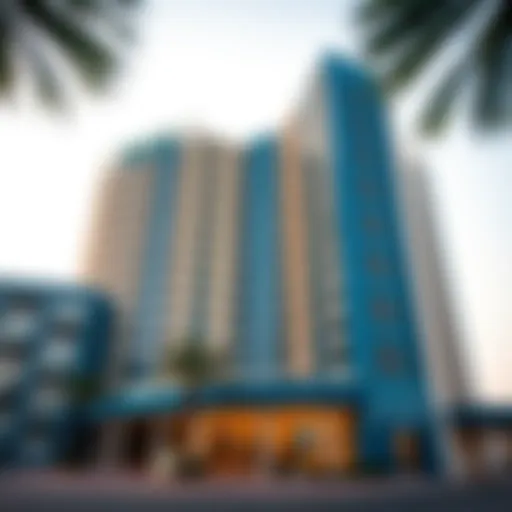
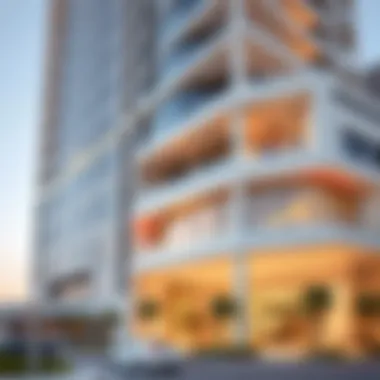
The design elements of the Al Saud Building play an essential role in establishing its identity. The facade is characterized by clean lines, large windows, and a mix of geometric shapes that resonate with contemporary architectural trends. This design not only enhances visual appeal but also maximizes natural light, reducing the reliance on artificial lighting which can significantly lower energy consumption.
The layout of the building is thoughtfully executed to offer flexible use of space. Each floor can accommodate various tenants, from retail on the ground level to offices above. This multi-functional design caters to diverse commercial needs and encourages a vibrant atmosphere. Furthermore, outdoor areas are incorporated into the design, providing green spaces that foster community interaction and contribute to the urban environment.
Materials Used
When discussing the materials used in constructing the Al Saud Building, one finds a deliberate choice of sustainable resources mixed with traditional ones. High-quality concrete and steel dominate the construction framework, ensuring longevity and resilience against Dubai's intense climate.
- Glass Panels: Used extensively in the facade, these not only enhance aesthetic value but also contribute to energy efficiency.
- Ceramic Tiles: Adopted throughout the interior, offering durability while providing easy maintenance.
- Aluminum: Utilized in window frames and other structural elements, aluminum brings a modern touch while ensuring lightweight benefits for the building structure.
Moreover, careful consideration is given to local suppliers for sourcing these materials, thereby contributing to the regional economy and promoting sustainability in the construction sector.


Construction Techniques
The construction techniques employed at the Al Saud Building reflect a synergy of modern technologies and traditional craftsmanship. The framework utilizes a post-tensioned slab system, allowing for larger spaces without the need for excessive columns which can clutter interior designs.
Additionally, the use of prefabrication techniques has made the process not only more efficient but also quicker, significantly reducing time-to-completion. This aspect is particularly appealing to investors, as a shorter construction timeline is often associated with higher returns on investment.
Also worth noting is the emphasis on quality control during the construction phase. Regular audits and inspections are performed to maintain high standards, ensuring that the building's integrity aligns with both regulatory requirements and market expectations.
"The Al Saud Building stands as a beacon of architectural innovation, melding modern styles with practicality, setting a benchmark in Muwaileh's real estate market."
Through analyzing the architectural features of the Al Saud Building, one gains insight not just into its physical structure, but also into the potential it holds within the fast-paced property market of Dubai. Such attributes are vital when considering long-term investments and market trends, making this an essential aspect of property evaluation.
Significance of the Al Saud Building
The Al Saud Building is not just another structure in Muwaileh; it holds a place of importance that radiates through various layers of society. This building ties back to cultural identity, economic vitality, and social connectivity. A deeper look into these facets reveals not only the physical presence of the building but also the value it brings to the region.
Cultural Importance
When examining the cultural importance of the Al Saud Building, one should consider how it embodies the community's heritage. Its design reflects both traditional and contemporary architectural styles, making it a landmark that resonates with the people of Muwaileh. This fusion of styles not only contributes to the aesthetic appeal but also signifies an evolution in architectural thought within the Emirate of Dubai.
- The building serves as a hub for local events, fostering a sense of community.
- It is often featured in cultural tours, showcasing an appreciation for art and design.
- The façade features motifs that are reminiscent of Arabian culture, creating a bridge between the past and the present.
People visiting can feel an emotional connection, as the building acts as a repository of stories that define the identity of Muwaileh. It has also become a symbol of pride among residents, who see it as an embodiment of their aspirations and culture.
Economic Impact
From an economic vantage point, the Al Saud Building significantly contributes to the local economy. Its presence encourages both commercial activity and tourism, which are critical drivers of economic growth for Muwaileh and the broader Dubai region. When the building was opened, it generated a wave of interest among businesses wanting to set up shop nearby, directly influencing local property values.
- The establishment of shops and services around the building has created numerous job opportunities.
- Increased foot traffic has further benefited local businesses, leading to higher sales.
- The property has become attractive for investment due to its prominence and ideal location.
As such, the Al Saud Building is not simply a physical structure; it is a catalyst for economic interaction and growth, drawing both local and foreign investment, which is most welcome in today’s dynamic market.
Social Implications
On the social front, the Al Saud Building fosters unity and collaboration among residents. It provides a gathering point for diverse groups, thereby enhancing the social fabric of Muwaileh. As community programs are often hosted here, the building plays a vital role in promoting interaction among various strata of society.
- Community initiatives and workshops held in the building attract participation from all age groups.
- The building's accessibility ensures that it remains a welcoming environment for everyone, enhancing community ties.
- It reflects the broader values of inclusivity and community spirit that are central to Dubai’s development goals.
"The Al Saud Building is more than just a facade; it's a vibrant locus for growth, culture, and community spirit in Muwaileh."
The insights provided on the significance of the Al Saud Building offer a clear understanding of why it is worthy of attention and investment.
Real Estate Dynamics in Muwaileh
Understanding the real estate dynamics in Muwaileh is essential for anyone interested in the vibrant property market of Dubai. The region’s rapid growth and development make it a focal point for investors, buyers, agents, and developers alike. The Al Saud Building stands as a prime example of how architectural significance can mesh with evolving market trends. By dissecting the elements that influence real estate in this area, stakeholders can better navigate the complexities of property investments in Muwaileh.
Market Trends
The real estate market in Muwaileh has been on a notable upward trajectory. Over the past few years, there has been a marked increase in both commercial and residential properties. Factors contributing to this boom include:
- Population Growth: With a steady influx of residents seeking housing near employment hubs, the demand for properties has surged.
- Infrastructural Developments: Ongoing projects like upgraded transportation links boast accessibility and enhance property attractiveness.
- Market Diversification: Muwaileh is not just about high-end developments; there are multiple options catering to different income brackets, which attracts a wide range of buyers.
Often, market reports highlight Muwaileh’s areas' rising popularity, showcasing how new projects of varying scales are constantly emerging. The competition among developers aims not only to provide quality but also to meet the diverse needs of buyers.
Property Values
In terms of property values, Muwaileh showcases intriguing figures that depict a healthy market. Recent evaluations suggest:
- Residential Prices: Properties in Muwaileh have seen an increase, particularly in areas adjacent to the Al Saud Building, which has stimulated interest from both buyers and investors.
- Commercial Properties: With businesses seeking prime locations, commercial real estate has also experienced positive fluctuations, leading to a corresponding rise in rental rates.
This shift in property value trends can be attributed to the increasing desirability of Muwaileh as a residential area. In fact, many are now seeing it as a viable option compared to other overcrowded neighborhoods in Dubai. Investors focused on property appreciation view this region as a potential goldmine.


Investment Potential
When it comes to investment potential, Muwaileh offers a landscape rich with opportunities. Several aspects underscore its appeal:
- High Demand for Rentals: As more people move to Muwaileh, the rental market remains robust, making it an ideal setting for property investors. Strong rental yields are enticing both local and foreign investors.
- Government Initiatives: Policies aimed at easing foreign ownership laws have opened doors and generated interest among overseas investors, eager to tap into the bustling market.
- Future Projections: Analysts predict that the demand for properties will continue to grow in Muwaileh, ensuring long-term investment returns as infrastructure projects unfold and the area becomes more accessible.
Surrounding Infrastructure
The surrounding infrastructure of the Al Saud Building is a crucial aspect to consider as it plays a significant role in shaping the real estate landscape of Muwaileh. Infrastructure provides the backbone for both development and livability, directly impacting the value of properties nearby. Attention to these elements offers potential investors insights into future opportunities and evaluates the current market dynamics.
Public Transportation
Public transportation in Muwaileh is not just a convenience; it's a vital artery that fuels accessibility and expedites daily commutes. The area is well-served by a variety of transit options, including buses and taxis that connect residents and visitors to the broader Dubai metropolitan area. The proximity to major thoroughfares like Sheikh Mohammed bin Zayed Road further enhances mobility.
- Rapid connectivity: Direct access to major routes allows residents to reach Dubai International Airport in about 20 minutes.
- Diverse options: Buses offer several routes traveling both intra-city and inter-city, reducing dependency on personal cars.
A robust public transport system signals to investors that the region values accessibility, correlating with property demand. It's clear that when people can easily reach their destinations, demand for housing typically rises.
Access to Facilities
Accessing facilities—from educational institutions to healthcare services—shapes the desirability of living in Muwaileh. The Al Saud Building enjoys proximity to a range of essential amenities. Access to supermarkets, healthcare centers, and recreational parks provides a significant boost to the living experience and appeals to potential residents.
- Education: Several well-regarded schools and educational institutes are within a short drive, making it easier for families to settle in the area.
- Healthcare: The nearby healthcare facilities are not limited to basic services. They provide comprehensive care and are staffed with qualified professionals, reassuring to potential buyers looking for comfort and security.
The availability of these facilities is not just a selling point; it increases property value over time, offering investors a promising return on investment.
Future Developments
Future developments in Muwaileh are a bellwether for its potential growth. Ongoing and planned projects indicate a commitment to enhancing infrastructure and maximizing investment potential in the area. Developers are eyeing Muwaileh due to its favorable location and continuous development efforts by local authorities.
- Residential Projects: New apartment complexes and villas are sprouting up, catering to various demographics.
- Commercial Opportunities: A surge in commercial establishments sends a clear signal of an evolving economic landscape, which can attract both local and international investments.
As these developments unfold, they will shape the character of the area, potentially drawing more businesses, which in turn will increase the population density and, of course, demand for housing. Investors looking toward Muwaileh are encouraged to keep an eye on these initiatives.
"Infrastructure development is not merely an enhancement; it is the foundation of future prosperity in Muwaileh."
Investing in properties near strong infrastructure is more than a smart decision; it is future-proofing one's investment in an ever-evolving market.
Challenges and Opportunities
The landscape of real estate in Muwaileh is multifaceted, presenting both challenges and opportunities for those involved. Understanding these elements is not merely beneficial; it is essential for investors, buyers, and agents who wish to navigate the complexities of this vibrant market. The interplay between regulatory hurdles, competitive dynamics, and emerging trends can significantly influence investment decisions and overall market performance.
Regulatory Hurdles
Navigating regulations in Muwaileh is no walk in the parc. The real estate sector is closely monitored with numerous laws shaping the development and ownership processes. Investors, especially newcomers, often find themselves grappling with bureaucracy. For instance, recent changes in property ownership laws may present obstacles for foreign investors who are keen on tapping into the local market.
Key Considerations:
- Licensing Requirements: Depending on the type of investment, different licenses are needed, which can slow down the process.
- Property Rights: Regulations about property rights can be intricate, requiring due diligence to avoid legal missteps.
- Compliance Costs: Adhering to local building codes and regulations can significantly increase project costs, potentially cutting into profit margins.
Successfully maneuvering through these regulatory hurdles can mean the difference between a lucrative investment and costly legal complications.
Market Competition
Competition in Muwaileh's real estate market is fierce. With numerous developments emerging, staying ahead requires a keen understanding of market dynamics. The influx of developers and investors can inflate property values rapidly, making timing crucial for buyers.
Current Competitive Landscape:
- Diverse Offerings: From luxury apartments to commercial spaces, the diversity of options means buyers must carefully consider their investment strategy.
- Increased Supply: A steady stream of new projects may lead to an oversaturated market, affecting resale values.
- Strategic Marketing: Agents and developers need innovative marketing strategies to differentiate their offerings in a crowded space.
In the end, those who can pivot and adapt to competition will find lucrative opportunities hidden in the folds of market challenges.

Emerging Trends
Keeping an eye on emerging trends provides valuable insight into where the Muwaileh real estate market is headed. Not only do such trends inform investment strategies, but they can also reveal shifting consumer preferences that may shape future developments.
Trends to Watch:
- Sustainability: There's a growing demand for eco-friendly buildings, which may influence design and construction practices.
- Smart Technology: Buyers are increasingly looking for properties that incorporate smart technology, enhancing convenience and efficiency.
- Community Living: Developments focusing on communal spaces are gaining popularity, as potential homeowners look for a sense of community.
By identifying these trends, investors can align their portfolios with preferences, ensuring they are not just reacting to the market, but actively shaping their investment paths.
“Embracing the challenges while spotting the opportunities is the key to unlocking the real estate potential in Muwaileh.”
In summary, while challenges such as regulatory hurdles and market competition can appear daunting, they are not insurmountable. Awareness of emerging trends allows stakeholders to adapt proactively and maintain an edge in this dynamic environment.
Profile of Potential Investors
In the vibrant landscape of real estate surrounding the Al Saud Building, understanding the profile of potential investors is pivotal. Investors play a critical role in shaping the market dynamics and ensuring that developments align with both current demands and future aspirations. Having a clear grasp of the types of investors interested in Muwaileh offers insights that can guide strategic decisions for property buyers and sellers alike.
Investors from Abroad
Foreign investors have a significant stake in the Dubai real estate market due to its reputation for lucrative returns and stability. These investors, often seeking refuge for their capital or opportunities for portfolio diversification, are particularly drawn to properties like the Al Saud Building, which represents a blend of modern design and strategic location. The allure of Muwaileh’s proximity to key infrastructure and amenities, paired with favorable regulations for foreign ownership, has established it as a hotbed for international acquisition.
- Benefits:
- Access to well-established markets in Dubai.
- Potential for high rental yields and appreciation in property value.
- Strong support from local authorities for foreign investments.
However, foreign investors need to consider challenges such as navigating local laws, understanding cultural nuances, and potential economic shifts. Having a local partner or advisor can mitigate these concerns, making the investment journey smoother.
Local Investors
Local investors bring a unique perspective to the table. With an intimate understanding of the Muwaileh area, these individuals or firms are often more attuned to market trends and potential pitfalls. They typically invest based on familiarity with the community and potential for growth, which can make their approach to investing more strategic than that of their foreign counterparts.
- Considerations for Local Investors:
- Knowledge of community needs and preferences influences investment choices.
- Built-in networks that foster deal-making and partnership opportunities.
- Ability to respond quickly to market changes due to proximity.
Additionally, local investors often face fewer regulatory hurdles and may have more favorable financing options. This familiarity with local conditions often allows them to capitalize quicker on emerging trends.
Institutional Investors
Institutional investors, such as pension funds, real estate investment trusts (REITs), and insurance companies, are increasingly eyeing the lucrative offerings in Muwaileh. They are attracted by the prospect of stable income streams from rental properties, supported by strong occupancy rates in developments like the Al Saud Building. These investors typically come with significant capital, which can lead to larger-scale projects.
- Advantages for Institutional Investors:
- Diversified portfolios that reduce overall risk exposure.
- Access to extensive market research and analytics capabilities.
- Long-term commitment to developments that may stabilize the market further.
However, institutional investors must tread carefully, as they are often subjected to stringent compliance requirements and expectations from their stakeholders. Their influence can reshape market trends within Muwaileh, often pushing for sustainable and innovative property solutions.
"Understanding the profiles of various investors is key to uncovering the full potential of the Al Saud Building and its role in Muwaileh’s evolving real estate landscape."
As this analysis highlights, grasping the nuances of each investor type provides valuable insights that can facilitate informed decision-making and strategic alignment in the vibrant Muwaileh market.
Finale
Bringing together all elements discussed throughout this article, the conclusion serves as a vital pivot for understanding the Al Saud Building within the broader context of Muwaileh's real estate landscape. It highlights not only the architectural wonder that this building represents but also its profound implications in various sectors including cultural significance, economic vitality, and social fabric.
Summary of Key Findings
The journey through the specifics of the Al Saud Building reveals several core findings:
- Architectural Design: The building showcases a blend of traditional and modern design features which attract both residents and visitors.
- Cultural Relevance: It stands as a landmark that encapsulates the history of Muwaileh, fostering a sense of community and identity among locals.
- Market Trends: Recent shifts in the real estate market indicate an increasing interest in Muwaileh, with Al Saud Building positioned as a key player within this evolving narrative.
- Investment Opportunities: Insights gathered suggest that the Al Saud Building is appealing to a diverse range of investors, making it a focal point for potential revenue generation in the coming years.
Future Outlook for Al Saud Building
Looking ahead, the future of the Al Saud Building appears promising. Several factors could influence its trajectory:
- Continued Urban Development: The ongoing infrastructure projects in Muwaileh will likely boost property values, especially for significant structures like the Al Saud Building.
- Cultural Events and Activities: As the building hosts various cultural initiatives, it can further integrate itself into the community's social calendar, attracting more foot traffic and potential tenants.
- Sustainability Considerations: The incorporation of green technologies could enhance its appeal, attracting eco-conscious investors and residents alike.
Overall, the Al Saud Building embodies not just physical space but a vision for the future of Muwaileh, making it a cornerstone for potential growth in Dubai’s dynamic real estate sector.