The Jewel Tower: Architectural Wonder in Dubai
Intro
The Jewel Tower stands as a testament to architectural ambition in Dubai, a city renowned for its towering structures and innovative designs. This remarkable edifice not only redefines the skyline but also signifies the changing tides of urban living and real estate dynamics in one of the fastest-growing cities in the world. As we journey through this article, we will unfold its architectural significance, the unique features that differentiate it in a crowded space, and its role in reshaping both community and market perceptions in Dubai.
Property Market Overview
Dubai's real estate market is an ever-evolving phenomenon, and the Jewel Tower has inserted itself firmly within the canvas of this dynamic environment. With current market trends leaning towards sustainability and innovative designs, this structure seems to be a reflection of these broader shifts.
Current Market Trends
In recent years, the market has witnessed several key trends:
- Sustainability: More projects now consider green initiatives and energy-efficient designs. Jewel Tower incorporates these elements, showcasing solar panels and sustainable materials.
- Luxury Living: With buyers increasingly seeking lavish amenities, Jewel Tower does not disappoint, offering high-end lifestyle options that attract a wealthy clientele.
- Technological Integration: Smart-home features have become standard in many new developments, including Jewel Tower, appealing to tech-savvy residents.
Key Neighborhood Insights
The location of Jewel Tower further bolsters its market appeal. Nestled within one of Dubai's prime areas, its proximity to key landmarks like the Burj Khalifa and The Dubai Mall makes it a strategic choice for both residents and investors. This area embodies the spirit of contemporary Dubai, brimming with restaurants, shopping, and cultural attractions, thus enhancing the overall living experience.
Buying and Selling Guidelines
Navigating the real estate landscape of Dubai, especially around a landmark like Jewel Tower, requires a well-thought-out strategy. Understanding the buying and selling guidelines can provide a firm foundation for both potential buyers and sellers.
Essential Steps for Buyers
- Market Research: Investigate not just Jewel Tower but its surrounding neighborhoods. Understand price ranges and assess the potential for property appreciation.
- Secure Financing: Given the luxury nature of such properties, securing financing ahead of time can provide a meaningful advantage.
- Engage Real Estate Experts: Leverage local agents who specialize in high-end properties. Their insights can be invaluable.
Tips for Sellers
- Highlight Unique Features: When listing a property in the Jewel Tower, emphasize its luxurious amenities and unique architectural design.
- Professional Staging: Presenting the property in the best light can make a substantial difference during viewings.
- Understand Your Buyers: Tailor your approach based on who you think will be most interested, whether it's expatriates, investors, or luxury home seekers.
"Investing in landmarks like the Jewel Tower is not just about property acquisition—it's about becoming part of a vibrant lifestyle and a burgeoning community."
For further insights, visit resources such as Wikipedia, Britannica, and Reddit.
Prelims to Jewel Tower
The Jewel Tower stands not just as a structure but as a symbol of Dubai's rapid transformation and architectural ambition. Situated amid Dubai's bustling urban landscape, it encapsulates the spirit of innovation and modernity that the city is known for. This introduction aims to set the stage for a deeper exploration of the tower's architectural marvels and its significance in Dubai's evolving skyline.
Overview of Jewel Tower
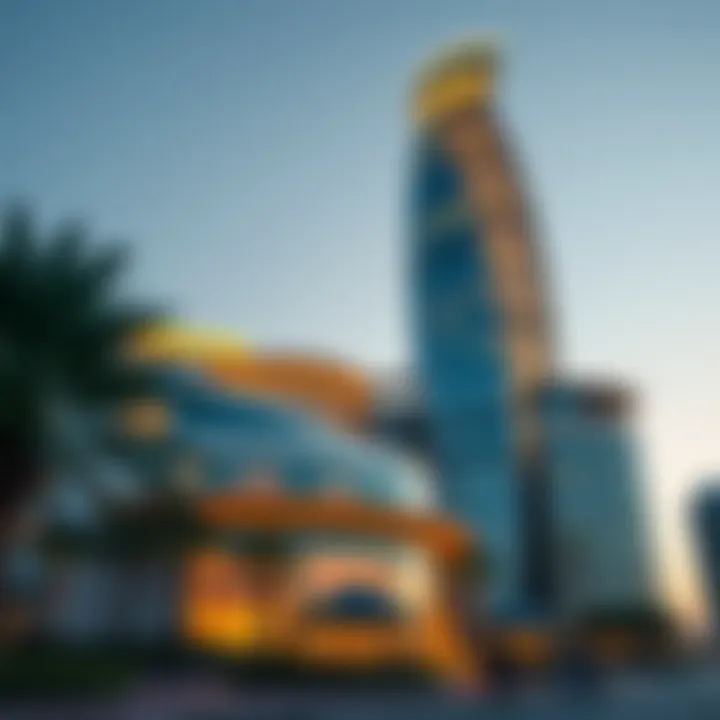
The Jewel Tower is a remarkable addition to Dubai's skyline, known for its striking design and ambitious height. Rising majestically, it combines advanced engineering with aesthetic brilliance, making it a standout feature in the vast desert city. The design draws inspiration from a blend of traditional values and contemporary trends, reflecting a city that respects its heritage while pushing towards future possibilities.
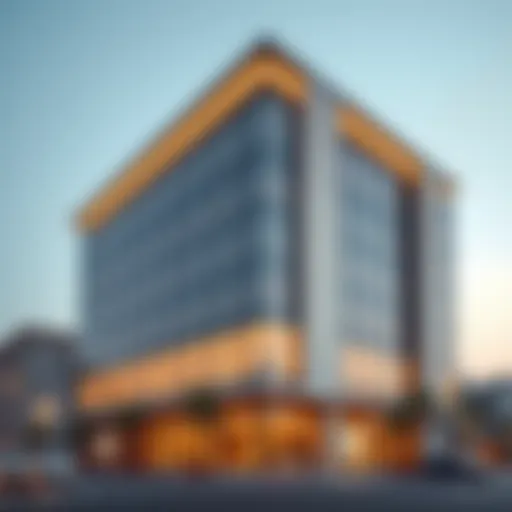
A distinctive aspect of Jewel Tower is its unique shape, reminiscent of a diamond-shaped cut. This design not only contributes to its iconic stature but also optimizes natural light and energy efficiency. The tower houses a mix of spaces including luxurious apartments and cutting-edge offices, which serve the dual purpose of residential comfort and corporate elegance.
In terms of materiality, the Jewel Tower boasts a façade adorned with reflective glass that glints under the Arabian sun. This not only enhances the visual appeal but also serves practical purposes like heat insulation. Additionally, the interior's lavish finishes reflect an eye for detail, ensuring that both residents and businesses experience a premier environment that mirrors Dubai's status.
Significance in Dubai’s Urban Narrative
Jewel Tower is more than just a building; it represents an evolving narrative of urbanization in Dubai. As the city has witnessed unprecedented growth over the last few decades, the tower embodies the aspirations of a nation that seeks to establish itself as a global player. The tower's construction is part of a larger trend where skyscrapers act not merely as functional entities but as cultural landmarks that define the identity of a city.
Its strategic location enhances connectivity within Dubai’s vibrant business districts, attracting both local and international investors. The rise of Jewel Tower coincides with Dubai’s position as a global hub for tourism and trade, reinforcing its role in the economy.
"Jewel Tower reflects the dynamic spirit of Dubai—where tradition meets tomorrow, and the skyline tells a story of ambition."
Moreover, the building has ignited discussions about sustainable high-rise construction within the region. While contributing significantly to the urban fabric, it raises questions about the sustainability of such rapid development and its impact on the environment.
Architectural Design and Features
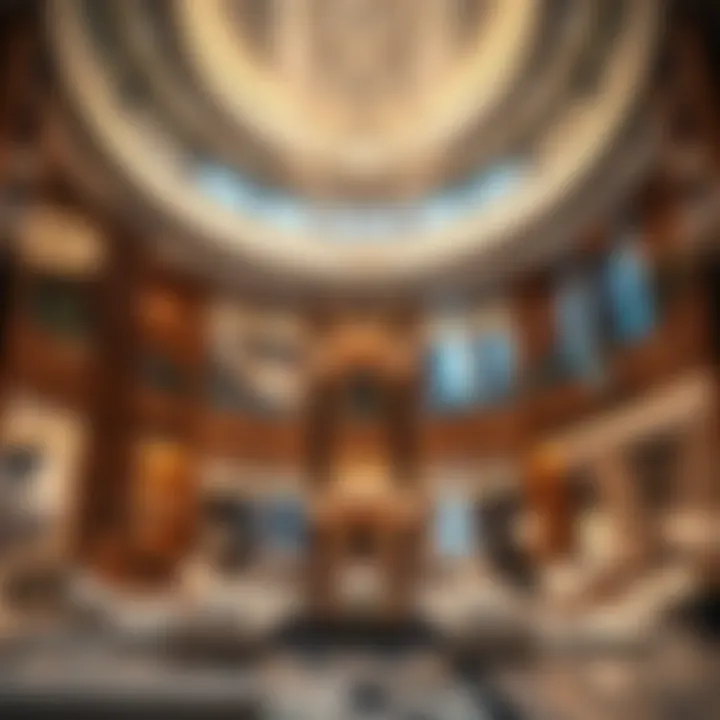
Architectural design and features are pivotal in understanding the Jewel Tower's essence in Dubai's skyline. This section offers an in-depth look at the structural innovations, aesthetic appeal, and sustainability measures that distinguish this iconic building. Each aspect not only contributes to the tower's aesthetic value but also enhances its functionality and impact on the environment.
Structural Engineering Innovations
The Jewel Tower showcases a remarkable evolution in structural engineering. Its design incorporates cutting-edge techniques that allow for greater heights and more complex shapes. One pivotal innovation is the use of reinforced concrete, ensuring not just safety but also durability against Dubai's variable weather and seismic activity. The structural framework eases the load distribution across the tower, providing stability.
Moreover, the incorporation of computer-aided design (CAD) has streamlined the planning phase, allowing architects and engineers to visualize the tower’s structural integrity in the early stages. This enhanced capability leads to refined safety measures and more precise engineering solutions.
“With remarkable structural integrity, Jewel Tower represents the pinnacle of modern engineering techniques.”
The innovations extend to smart load-bearing systems that adapt to dynamic loading conditions. This ensures the tower maintains its form and function even under extreme stress. Such advancements are not merely technical feats—they symbolize Dubai's commitment to architectural excellence and safety.
Aesthetic Elements and Materials
The aesthetics of Jewel Tower are as breathtaking as its engineering. Designed with a modern sensibility, the facade features a glass curtain wall that reflects the desert sun, creating a glimmering visual spectacle. This choice of material serves dual purposes: it enhances the visual appeal while optimizing natural light in the interiors.
The building's exterior is adorned with subtle patterns inspired by traditional Arab designs, paying homage to Dubai’s cultural heritage. Such intricate details create a dialogue between the modern and the cultural, making the tower not just a place to live or work but a sculpture in the urban landscape.
Materials used in its construction have been selected not only for their aesthetic value but also for their environmental performance. High-performance insulation reduces energy consumption while ensuring the building remains comfortable year-round. This blend of style and substance is deliberate, appealing to both affluent buyers and environmentally-conscious investors.
Sustainability Considerations
In today’s architectural climate, sustainability is no longer an optional add-on; it is a necessity. Jewel Tower integrates numerous sustainable practices that align with Dubai’s vision for a greener future. The development features rainwater harvesting systems, solar panels, and energy-efficient HVAC systems, all aiming to minimize the building's ecological footprint.
The layout of the tower encourages natural ventilation, reducing reliance on artificial cooling systems. This design consideration not only contributes to lower energy bills for residents and businesses but also fosters a healthier indoor environment.
Furthermore, the building complies with international sustainability certification standards, appealing to a growing demographic of environmentally-aware consumers and investors. Jewel Tower's commitment to sustainability exemplifies how modern architecture can harmonize with conservation efforts, setting a benchmark for future developments in Dubai.
Overall, the design and features of Jewel Tower illustrate its importance not just as a real estate asset but as a centerpiece that embodies technological advancement, aesthetic beauty, and environmental responsibility.
Historical Context
Understanding the historical context of Jewel Tower is crucial for grasping its significance in the landscape of Dubai's urban development. Skyscrapers are not just structures; they are symbols of a city’s aspirations, cultural identity, and economic prowess. In the case of Dubai, the evolution of its skyline reflects a broader narrative about transformation, ambition, and innovation.
Evolution of Skyscrapers in Dubai
In the span of a few decades, Dubai has experienced an architectural renaissance that has catapulted it onto the world stage. Starting from humble beginnings, the city's skyline has evolved dramatically since the 1970s. Initially, the focus was on low-rise buildings like the Dubai Trade Centre, which served as a catalyst for future growth.
As the economy boomed in the late 1990s and early 2000s, so did the ambition for taller and more innovative designs. The construction of the Burj Khalifa, the tallest building in the world, in 2010 exemplified this shift. Suddenly, the skyline was populated with towering structures that seemed to defy gravity, each vying for attention and recognition. Jewel Tower is a key part of this narrative, showcasing modern design principles fused with traditional motifs, marking Dubai's growth not just in height, but in depth.
The journey of Dubai's skyscrapers has been marked by:
- Bold designs that challenge conventional architecture.
- Sustainable practices emerging to cope with environmental concerns.
- Cultural reflections, where each new structure often tells a story about the Emirate's heritage and aspirations.
Influence of Cultural Aspects on Architecture
The architectural style of Dubai is a rich tapestry woven from threads of diverse influences, mirroring its status as a melting pot of cultures. Jewel Tower draws from both Islamic architectural traditions and futurism, merging these elements into a cohesive and striking edifice. The interplay between these styles reflects Dubai's complex identity, balancing heritage with modernity.
Emiratis place a high value on cultural expressions in architecture. Jewel Tower’s design incorporates distinctive Islamic patterns and motifs, while its sleek lines and glass facades signal its commitment to modern aesthetics. This hybrid approach not only enhances the visual appeal of the tower but also serves to educate visitors and residents about the cultural history of the region.
- The use of geometric patterns often seen in Islamic art is translated into the tower's exterior, inviting passersby to appreciate the cultural depth.
- Innovative use of materials further embodies this fusion; featuring high-performance glass that reflects the surrounding cityscape while maintaining energy efficiency.
Overall, the Jewel Tower exemplifies how architecture in Dubai reflects the confluence of tradition and innovation. By studying the historical context of such buildings, we gain insights into the city’s ethos and ambitions—a narrative that continues to inspire its residents and attract global attention.
The Role of Jewel Tower in Real Estate
The Jewel Tower’s significance in the real estate landscape of Dubai cannot be overstated. This skyscraper is not just a marvel of architectural design; it stands as a pivotal player in the city’s continuously evolving real estate market. To understand its role, it's essential to look at various facets including its market positioning, the value proposition it offers, and its success in attracting investors and buyers.
Market Position and Value Proposition
Positioned among Dubai’s elite structures, the Jewel Tower commands a prominent place in the urban narrative. Its unique design and strategic location provide a substantial marketing edge. The tower offers both residential and commercial spaces, creating a diverse approach that caters to different segments of the market.
Potential buyers and tenants are drawn to its luxurious amenities and state-of-the-art facilities. Some of the key attributes that enhance its value proposition include:
- Prime Location: Situated within close proximity to major landmarks, the Jewel Tower allows easy access to vibrant areas of Dubai.
- Innovative Design: The cutting-edge architectural design attracts those who appreciate aesthetics and functionality in equal measure.
- Sustainability Features: With rising interest in sustainable living, the tower's eco-friendly practices resonate with modern sensibilities.
- Impressive Amenities: From fitness centers to resort-like swimming pools, the available facilities enhance the living and working experience, making it more than just a space to inhabit.
"The Jewel Tower is not merely a structure but a brand that epitomizes luxury and modern living in Dubai."
This combination makes it an attractive investment for buyers, especially given the growing demand for premium real estate in the region. Furthermore, the anticipated growth in property values due to constant urban development reinforces its position as a salient investment.
Attracting Investors and Buyers
The Jewel Tower has become a hotspot for investors, attracting both local and international interest. This can be attributed to several strategic advantages:
- Investor Confidence: The architectural credibility combined with the rise of Dubai as a global hub instills trust among potential investors. The tower's sophisticated construction and thoughtful design assure buyers their investment is secure.
- Diverse Investment Opportunities: Offering a range of properties from high-end residential units to posh commercial spaces, it fulfills various investor requirements. This diversity broadens the appeal, converting potential leads into actual sales.
- Quality of Life: Buyers today are looking for more than just a property; they want a lifestyle. Jewel Tower's commitment to luxury and quality living becomes a strong motivator for prospective buyers.
- Global Connectivity: With Dubai being a melting pot of cultures, the tower's international profile attracts buyers from various backgrounds, adding to its appeal.
As the Jewel Tower continues to make waves in the real estate sector, it not only enriches the skyline of Dubai but also facilitates an environment ripe for investment and growth, serving as a model for future developments in one of the world’s most dynamic cities.
Impact on Dubai's Skyline
The Jewel Tower makes a significant contribution to the aesthetic and functional landscape of Dubai’s ever-evolving skyline. Its striking design and innovative structure not only elevate the visual narrative of the city but also mark a turning point in modern architecture within the region. Key elements such as its height, shape, and the materials used present a perfect amalgamation of beauty and engineering brilliance, allowing it to stand out among neighboring structures.
Integration with Nearby Landmarks
The strategic positioning of Jewel Tower further enhances its importance in Dubai's skyline. Located in close proximity to other renowned structures like the Burj Khalifa and the Dubai Mall, the tower complements its architectural peers and creates a cohesive urban environment. Visitors and residents alike can see a striking contrast of styles, materials and heights that tell a story of architectural progress.
- Complementary Aesthetics: Jewel Tower adds an innovative flair to the traditional silhouettes offered by its neighboring landmarks. The glass façade reflects the shifting colors of the sky, intertwining nature and architecture seamlessly.
- Cultural Significance: The design pays homage to the cultural heritage of Dubai. Its geometric patterns echo traditional Islamic art while utilizing modern construction methods, tying the historic into the contemporary.
Public Reception and Historical Significance
The reception surrounding Jewel Tower illustrates the changing dynamics of Dubai's architectural landscape. When it was unveiled, the response from the public and critics alike was one of admiration, recognizing it as a harbinger of future developments in urban design.
"Jewel Tower is not just a building; it's an embodiment of Dubai's ambition and potential," a local architectural commentator noted.
- Public Engagement: The tower has become a favorite spot for photography enthusiasts, creating a buzz on social platforms and fostering community interaction around it.
- Historical Context: Looking back, Jewel Tower is part of a broader trend where Dubai has moved from low-rise constructions to some of the tallest buildings in the world. This journey marks a dramatic shift, creating a distinctive skyline viewed by millions daily, and establishing Dubai as a global architectural hub.
Through its design and integration with nearby landmarks, Jewel Tower does not only serve as another high-rise, but also as a symbol of Dubai’s ambition and continuous evolution, further marking its presence on the global architectural map.
Residential Versus Commercial Spaces
The dual function of a structure like the Jewel Tower, housing both residential and commercial spaces, exemplifies the evolution of urban architecture. Such juxtaposition is imperative in today's cities, especially in a landscape as dynamic as Dubai. Understanding the distinctive elements of residential versus commercial spaces within the Jewel Tower allows for greater insight into its overall utility, appeal, and market strategy.
Differences in Architectural Approaches
When delving into the architectural frameworks between residential and commercial segments, one must consider not just aesthetic elements but also practical applications. Residential spaces within the Jewel Tower showcase a design philosophy focused on comfort and livability. These units tend to prioritize natural light, efficient space utilization, and often include amenities like communal areas. They cater to families and long-term residents who seek a home in the bustling metropolis.
Conversely, the commercial spaces are crafted with a different lens. They often feature expansive floor plans, cutting-edge technology, and facilities for businesses to thrive. The architectural design aims to maximize foot traffic and visibility, ideal for retail stores or offices. These areas may incorporate more industrial materials, reflecting modernity and functionality.
A noteworthy point arises in how these two segments interact. Residential units may share amenities with commercial facilities, creating a thriving community atmosphere. In this architecture, one can see a blend of styles. The balance of privacy for homeowners versus openness for businesses is a skillful tightrope walk that requires thoughtful design and engineering.
Market Demands and Opportunities
The real estate landscape in Dubai is ever-evolving, with shifting demands for residential and commercial properties. One cannot overlook the underlying driver: market demands are influenced by factors like tourism, expatriate needs, and the influx of remote workers.
For investors and developers, understanding the preferences between these spaces is vital. Residential units in Jewel Tower are appealing to families looking for modern, connected lifestyles. In contrast, the commercial spaces attract businesses seeking prestige and high visibility within a notable landmark.
The demand for mixed-use developments is climbing rapidly. Investors find opportunities in such ventures, as they cater to a wider audience compared to single-use properties. This dual approach leads to economic sustainability.
“A harmonious blend of commercial and residential spaces within a single architectural masterpiece not only elevates property values but also fosters vibrant communities.”


To sum it up, Jewel Tower stands out by successfully integrating residential comfort with commercial prowess. Whether a potential buyer is looking for a home or an investor hoping to tap into the bustling business environment, the Tower meets a range of needs. The design decisions, influenced by both market dynamics and architectural elegance, make the Jewel Tower a prime example of modern urban living.
Technological Aspects of Jewel Tower
The Jewel Tower stands as a beacon of modern innovation in architectural prowess. In the rapidly evolving landscape of Dubai, the tower encapsulates the city's ambition to intertwine cutting-edge technology with environmental consciousness. The technological aspects of Jewel Tower are crucial not just for its efficiency but also for its appeal as a landmark destination for investors and residents alike. This section unfolds the groundbreaking elements at play within this architectural marvel.
Smart Building Technologies
At the heart of Jewel Tower’s allure lies its integration of smart building technologies. These technologies are not just gadgets; they represent a paradigm shift in how buildings are managed and experienced. The tower employs sophisticated automation systems for lighting, heating, and cooling to ensure optimal energy usage, ultimately reducing overhead costs for occupants.
- Adaptive Lighting Systems: One standout feature includes adaptive lighting, which adjusts based on the amount of natural light flooding in. This drastically cuts down on electricity use while elevating the ambiance of indoor spaces.
- Energy Management Systems: These systems monitor energy consumption in real-time, allowing facility managers to identify inefficiencies and implement corrective actions swiftly.
- User Controls: The tower’s residents and businesses benefit from personalized controls, enabling them to manage temperatures, lighting, and even security features through mobile apps.
By embracing these innovations, Jewel Tower not only enhances user experience but also makes a strong case for sustainable urban development. Building smart appeals to modern sensibilities, tailoring comfort and efficiency to the needs of every tenant.
Safety and Security Features
When it comes to safety and security, Jewel Tower doesn't cut corners. The modern world demands higher standards, and the tower is equipped to meet these expectations with a suite of robust features designed to protect its residents and assets.
- Advanced Surveillance Systems: Throughout the building, high-definition cameras and motion detectors provide a secure environment, monitored consistently to deter any security threats.
- Fire Safety Protocols: Comprehensive fire safety solutions, including smoke detection systems and fire sprinklers, are strategically installed. These systems not only meet but often exceed, local regulations, ensuring a quick response to potential hazards.
- Access Control Systems: Restricted entry points equipped with biometric readers or keycard systems uphold security standards, guarding sensitive areas with cutting-edge technology.
Investing in safety is investing in peace of mind, and Jewel Tower delivers on this front, making it an ideal choice for families and businesses alike.
In sum, the technological aspects of Jewel Tower are not merely an enhancement but are essential to its identity as an architectural gem. From smart systems to rigorous safety measures, every element is woven into the fabric of the building, ensuring it is as functional as it is beautiful. Investors, buyers, and developers alike should take note – a future-forward building is not just a luxury but a necessity in today’s complex urban landscape.
Future Developments and Prospects
The jewel of Dubai, the Jewel Tower, stands tall not only as a magnificent structure but also as a harbinger of future advancements in urban architecture and planning. As the city continues to grow and evolve, it serves as a focal point for examining future developments in Dubai's architectural landscape. This section will explore the anticipated changes in the architectural realm that could stem from the Jewel Tower's design innovations and impact.
Predicted Trends in Dubai’s Architectural Space
The skyline of Dubai is a vibrant tapestry continually wrought with groundbreaking designs and futuristic constructs. As we look ahead, a few distinguishing trends are expected to make waves in the architectural space:
- Sustainable Architecture: Increasingly, the focus on eco-friendly designs is set to redefine construction norms. Jewel Tower offers a glimpse into this shift, as it employs sustainable materials and energy-efficient technologies. Such practices will likely inspire further green initiatives across the city.
- Smart-City Integrations: With advancements in technology, buildings like Jewel Tower are expected to pave the way for smart integration. This means that future structures might incorporate advanced sensors and automated systems that enhance living conditions and efficiency. Expect innovations that interact with residents, monitor resource consumption, and enhance safety measures.
- Integration of Mixed-Use Spaces: The trend of combining residential, commercial, and recreational spaces is likely to escalate. Jewel Tower exemplifies how these elements can coexist, offering multi-faceted benefits to its inhabitants. This change addresses urban density issues while creating vibrant community hubs.
These trends illustrate a shift towards architectural designs that not only fulfill aesthetic goals but also prioritize functionality and sustainability. They reflect broader societal values and necessities in a rapidly transforming Dubai.
Jewel Tower’s Potential Influence
As an architectural standout, Jewel Tower’s prowess goes beyond its own grandeur. Its influence can ripple throughout the region, setting benchmarks and redefining expectations. Here are some significant ways it might inspire future developments:
- Trendsetter for Future Projects: Jewel Tower's unique design may serve as a template for future constructions, showcasing how creativity and modern technology can harmoniously meet. Other developers may look to replicate its aesthetic allure while embodying similar environmental virtues.
- Enhanced Property Value: With its upscale offerings and state-of-the-art facilities, Jewel Tower has the potential to increase property desirability in its vicinity. As it elevates market norms, similar buildings could witness a surge in interest from buyers and investors drawn by the new standards it sets.
- Cultural Hub: Beyond its physical attributes, Jewel Tower can become a cultural hub. Hosting art exhibitions or community events may foster social engagement, influencing how future structures incorporate space for interaction and community.
"We shape our buildings; thereafter, they shape us." – Winston Churchill
For further guidance on real estate development trends in Dubai, visit Wikipedia or check Britannica.
Finale
The conclusion of this exploration into the Jewel Tower highlights its multifaceted significance in Dubai's architectural and urban narrative. This article has delved into various aspects of the tower, which not only showcases cutting-edge design but also plays a pivotal role in the economic fabric of the city. The architectural innovations and sustainability features of the Jewel Tower shed light on the advancing engineering technology that continues to shape Dubai's skyline.
Summary of Key Insights
In reviewing the Jewel Tower, several key insights emerge that piece together its importance:
- Architectural Excellence: The tower exhibits state-of-the-art structural engineering and aesthetic beauty, merging function with a striking visual impact.
- Cultural Influence: It reflects Dubai's growth narrative, bridging modern architecture with cultural heritage, thereby enriching its urban identity.
- Real Estate Dynamics: The Jewel Tower has carved a niche in Dubai’s real estate market, attracting high-profile investors and buyers, and thereby enhancing the overall market landscape.
- Future Directions: The building's emphasis on technology and sustainability sets a benchmark for future projects, indicating a shift towards eco-conscious development in urban planning.
Reflections on Its Legacy
As we contemplate the legacy of the Jewel Tower, it becomes evident that its importance transcends a mere physical structure. It serves as a beacon of progress, representing both the ambitions of Dubai and its commitment to innovation. A few thoughts come to mind:
- Cementing Dubai’s Status: The tower reinforces Dubai’s reputation as a global hub for modern architecture, thereby attracting tourists and investors alike.
- Influence on Future Developments: Jewel Tower sets a precedent for subsequent skyscrapers, inspiring a shift in architectural design standards toward smart, sustainable solutions.
- Identity Formation: In a rapidly globalizing world, landmarks like the Jewel Tower help define local identity, giving the residents pride in their cultural skyline.
"The Jewel Tower stands as a testament to not just architectural brilliance, but also the ever-evolving spirit of Dubai itself, capturing both its past and its aspirations for the future."
In summary, the Jewel Tower is not merely an edifice of glass and steel; it is a symbol of innovation, a catalyst for urban development, and an emblem of the spirit of Dubai.