
The W Tower: Dubai's Architectural Triumph Explored


Intro
Dubai’s skyline is a shimmering testament to modern architecture, where dreams are etched into glass and steel. Among these architectural feats, the W Tower stands out not just for its height or beauty but also for its role in shaping the real estate landscape of the city. This article takes a closer look at what makes the W Tower a hub of investment, its architectural elegance, and the market dynamics surrounding it. Both seasoned investors and curious buyers will find valuable insights here.
Property Market Overview
Current Market Trends
The real estate market in Dubai has seen quite the rollercoaster ride in recent years. Currently, the trend is moving toward luxury property investments, and the W Tower fits snugly into this narrative. With developers increasingly focusing on delivering high-end amenities and sustainable living spaces, the W Tower has capitalized on this demand. The occupancy rate is impressive, with many units being snapped up quickly. Investors are noting the location's proximity to key business districts, making it an attractive spot for professionals and expatriates alike.
Data from local real estate reports suggest that prices for luxury apartments in Dubai are on a steady rise, hinting at robust future growth. Especially, the W Tower's unique design and offerings create a buzz in social media circles and property expos, which further amplifies interest and desirability.
Key Neighborhood Insights
Three major aspects set the W Tower's neighborhood apart:
- Accessibility: Just a stone's throw from major roadways and public transport, it offers swift connections to various parts of Dubai.
- Amenities: The vicinity boasts an array of restaurants, parks, and shopping centers, making it a vibrant hub for both living and leisure.
- Community Engagement: There’s a strong focus on community spirit, with various events and activities held regularly, fostering connections among residents. For instance, Sunday markets and wellness fairs are just a couple of highlights where neighbors bond over local crafts and healthy living.
*"With the W Tower at the nexus of luxury and lifestyle, it attracts not just residents, but a community of trendsetters."
Buying and Selling Guidelines
Essential Steps for Buyers
Investing in property, especially something like the W Tower, requires careful navigation. Here’s a checklist to simplify the buying process:
- Research: Understand current value trends in the W Tower. Visit property portals and chat with local agents for nuanced insights.
- Financial Planning: Evaluate your budget, considering not just purchase price but additional costs like maintenance fees and community charges.
- Legal Framework: It’s wise to consult a legal advisor familiar with Dubai’s real estate laws to ensure clarity in the transaction.
- Visit: Schedule a tour of the property to get a feel for space, amenities, and the atmosphere of the neighborhood.
- Negotiation: Don’t hesitate to negotiate. Sellers often appreciate serious buyers and may be willing to adjust pricing.
Tips for Sellers
For those looking to put their units on the market, consider these pointers to maximize your return:
- Staging: Make your property inviting. A little paint and some modern furniture can go a long way in attracting buyers.
- Marketing: Use social media and real estate platforms. High-quality photos and effective descriptions can draw attention.
- Highlight Unique Features: Emphasize the W Tower's amenities, like the rooftop pool or on-site spa, as they can be deal-breakers for many prospective buyers.
Prologue to the W Tower
The W Tower stands as a remarkable beacon within Dubai's ever-changing skyline, representing architectural ingenuity and the spirit of modernity. This introduction serves as a stage setter for understanding this significant structure in the context of real estate, design, and investment. As Dubai continues to position itself as a hub for international business and tourism, the W Tower emerges not just as a place to live or work, but as a cultural landmark that captures both the dreams and aspirations of a global audience.
Defining the W Tower
The W Tower is much more than a mere building; it's a statement of luxury, innovation, and vision. Constructed to host a blend of residential, commercial, and hotel spaces, it reflects a lifestyle that embraces both opulence and convenience. The exterior of the W Tower features a unique façade that tells a story of modernity intertwined with traditional elements, making it distinct within the competitive Dubai skyline. Its sophisticated design and strategic amenities cater to a high-end clientele seeking both prestige and comfort. The aim here isn't just structural beauty, but achieving a synthesis between functionality and aesthetic delight.
Location and Accessibility
Situated in the heart of Dubai's bustling business district, the W Tower is strategically located to maximize its appeal. With its proximity to vital transport links, including the Dubai Metro and major roadways, accessibility is one of its strongest suits. This prime location allows residents and visitors to navigate the city's vast offerings with ease, be it shopping, dining, or cultural experiences. The vibrant surroundings enhance the lifestyle of its inhabitants, presenting a slew of options right at their doorstep. Moreover, being just a stone's throw from iconic landmarks like the Burj Khalifa and the Dubai Mall, the W Tower offers both prestige and convenience, making it a coveted location for investors and buyers alike.
Architectural Design and Features
The architectural design and features of the W Tower are pivotal in showcasing not only its aesthetic appeal but also its functional value in Dubai’s rapidly evolving skyline. The significance of these elements extends beyond mere visual impact; they influence livability, sustainability, and marketability within a competitive real estate milieu. Let’s delve deeper into the inspiring aesthetics, innovative structural engineering, and sustainable practices that together define this remarkable structure.
Inspiring Aesthetics
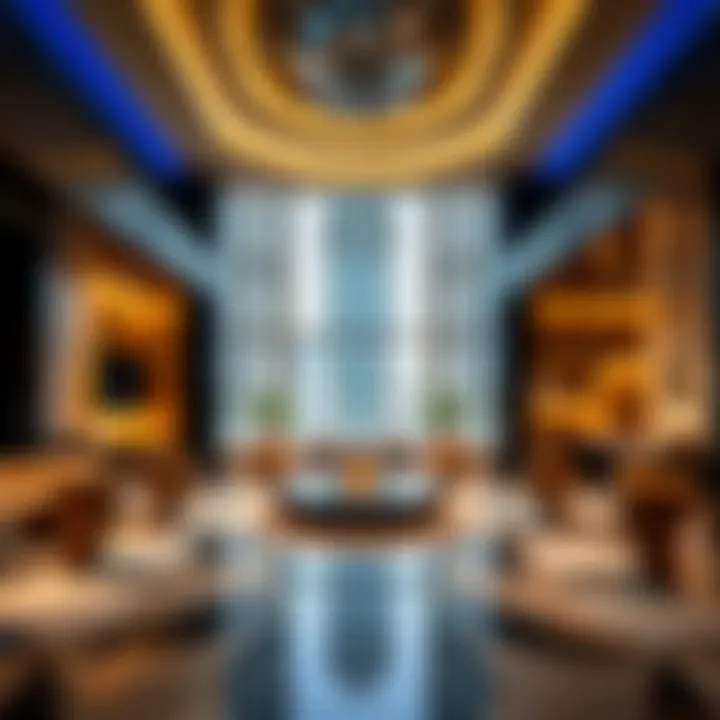
At the heart of the W Tower’s allure is its captivating architectural style. The design exuberates a modern sophistication that resonates with both residents and visitors. Shaped by fluid lines and bold geometric forms, the exterior captivates the gaze of onlookers while integrating seamlessly into the urban landscape. The façade, often glittering under the Dubai sun, is not just about looks—it employs a stylized pattern that reflects cultural motifs, making it a symbol of local heritage as much as a modern edifice.
Key features of the aesthetics include:
- Glass elements: The extensive use of glass allows natural light to permeate interiors, creating spaces that feel open and airy.
- Illumination Design: Thoughtfully placed LED lights enhance its visual splendor at night, casting a striking figure against the backdrop of the vibrant city.
- Green Terraces: Balconies and green spaces scattered throughout the structure not only cater to aesthetics but also provide residents with a personal slice of nature amidst urban life.
Overall, the design approach is not only pleasing to the eye but also enhances the overall user experience, setting a new standard in luxury living.
Innovative Structural Engineering
Beneath the exquisite exterior lies a marvel of engineering. Constructed to withstand both seismic and weather challenges unique to the region, W Tower exemplifies cutting-edge structural techniques. The engineering team employed advanced materials and technology to ensure durability and efficiency.
- Core Structure: The tower's central core is fortified with high-strength concrete, granting resistance against both torsion and lateral forces. This design provides stability during high winds, something particularly crucial in this wind-swept region.
- Elevator Technology: Featuring high-speed elevators connected to smart technology, the building minimizes wait times and optimizes traffic, catering to the busy lifestyles of its occupants.
- Modular Design: Elements of modular design have been applied, allowing for the efficient construction process while accommodating future expansions or renovations without significant disruption.
Such engineering feats not only enhance resilience but also position the W Tower as a key player in the realm of modern skyscrapers, demonstrating what’s achievable with innovation in mind.
Sustainable Practices in Design
Sustainable design practices are increasingly important in contemporary architecture, and the W Tower is no exception. Built with an eye toward environmental responsibility, this tower has integrated various sustainable operations, which contribute to both lower operational costs and a reduced carbon footprint.
Critical sustainable features include:
- Energy-Efficient Systems: The structure is fitted with energy-efficient HVAC systems that significantly reduce energy consumption while providing comfortable indoor climates for residents.
- Water Conservation Technologies: Rainwater harvesting systems collect water from the roof, which’s then utilized for irrigation, cutting down on water waste.
- Renewable Energy Sources: Solar panels on the roof harness the sun's energy, further contributing to the building's sustainability efforts.
Incorporating these eco-friendly practices not only showcases the commitment to sustainability but also appeals to environmentally-conscious buyers, establishing the W Tower as a forward-thinking investment.
"The integration of sustainable practices is not merely a trend but a necessity in elevating modern architecture."
In summary, the architectural design and features of the W Tower represent a confluence of form, function, and sustainability, setting a benchmark within Dubai’s iconic skyline. These elements collectively enhance its value in the real estate market, beckoning investors and urban dwellers alike.
Market Overview of W Tower
The market overview of the W Tower provides a crucial lens through which we can analyze the wider implications of this architectural gem on Dubai’s real estate landscape. Understanding the current climate, trends, and market position of this tower not only allows investors and buyers to gauge the potential value but also highlights the significance of the W Tower within the city’s booming property sector. This section will dive into the current trends shaping the market and how the W Tower stands amid this vibrant backdrop.
Current Real Estate Trends in Dubai
Dubai’s real estate market is a dynamic entity, shaped by various factors that include economic indicators, societal shifts, and government policies. As of late 2023, we observe several key trends:
- Resilience Post-Pandemic: The market has demonstrated resilience even in the wake of ongoing global uncertainties. The recovery trajectory can be attributed to the influx of foreign investments and a gradual return to normality in urban life.
- Increased Demand for Luxury Properties: There’s a notable surge in demand for high-end properties. Wealthy individuals and investors are increasingly interested in premium real estate, and the W Tower fits perfectly into this segment, offering luxury and exclusivity.
- Technological Integration: Smart home technologies are no longer a novelty but a necessity. As properties evolve, being equipped with the latest tech solutions and sustainable practices has become integral to attracting buyers.
- Tourism Rebound: With Dubai being a thriving tourism hub, the real estate market greatly benefits from this sector’s rebound. Increased tourism drives demand for rental properties, and the W Tower's strategic location enhances its appeal.
These trends indicate a promising landscape for investors and stakeholders enthusiastic about entering or expanding within the Dubai market.
W Tower’s Market Position
The W Tower secures a noteworthy market position owing to its distinct offerings and location. Its architectural brilliance sets it apart from other developments, drawing attention from both local and international investors.
- Brand Association: The W brand is synonymous with luxury and modernity, both of which play a pivotal role in its market position. Buyers often view properties associated with reputable brands as more trustworthy and valuable.
- Strategic Location: Situated in the heart of Dubai, the tower benefits from proximity to key landmarks and amenities. This ensures high demand among both residents and tenants.
- Investment Potential: The current market appraisal suggests a positive outlook for the W Tower. With an expectation of property value increases and strong rental yields, the tower positions itself as a lucrative investment opportunity.
- Unique Features: Features like cutting-edge design, premium amenities, and a commitment to sustainability give the W Tower a competitive edge. Buyers and investors are often on the lookout for such unique offerings in a saturated market.
Investing in the W Tower is not just about acquiring a property, it’s about tapping into a thriving lifestyle and community that promises both value and experiences.
In essence, the W Tower's market overview presents an encouraging picture for those attracted to Dubai’s real estate opportunities. By understanding the nuances of the market and the strategic position of the W Tower, one can appreciate the potential for growth and success in this much-coveted locale.
Investment Potential
Investing in real estate, particularly in a rapidly evolving market like Dubai, requires careful consideration of various factors. The W Tower stands as a prime example of a property that captures the attention of astute investors. Its unique architecture, located in a prime area, enhances its desirability and thus its investment potential. Understanding these aspects is crucial for making informed decisions in this competitive landscape.
Understanding ROI Expectations
Return on investment (ROI) is often the name of the game in real estate. For the W Tower, the potential for return comes from both immediate gains through rental income and long-term appreciation of the property’s value. Given the influx of international investors and tourists in Dubai, the demand for high-quality residences like those in the W Tower is on the rise.
To better gauge ROI, one needs to consider several variables:
- Market conditions: The Dubai property market is influenced by speculations, economic stability, and tourism trends.
- Location advantages: Being adjacent to hotspots such as Burj Khalifa and major shopping districts often means higher occupancy rates.
- Amenities and services: The available luxury facilities can significantly boost rental rates, making a property more appealing to potential tenants.
On average, investors in Dubai can expect an ROI of anywhere between 5% to 8%, but well-placed properties like the W Tower might outperform this norm.
Financing Options for Investors
Navigating the financial side of investments can feel like driving a car with no GPS. The option of financing can ease the financial burden and open several pathways for investors. In Dubai, banks offer a variety of mortgages specifically for expatriates and locals alike. Some favorable options include:
- Fixed-rate mortgages: These provide stability in monthly payments, ensuring that investors can budget effectively over time.
- Adjustable-rate mortgages: Though they can start off lower, they do entail a risk of fluctuating payments in the future.
- Islamic financing: For those preferring Sharia-compliant options, Islamic banks offer products like diminishing partnership schemes.
Understanding how each financing option affects your overall investment in the W Tower is key. As financial landscapes change, reviewing terms with a financial expert can be advantageous.


Long-term Value Considerations
When looking at long-term investments, it’s not just about immediate gains; it’s about how the property will hold up in the decades to come. The W Tower has many factors that suggest it could retain or even increase its value over time.
Key aspects to consider include:
- Economic forecast: As Dubai continues to develop and diversify its economy, the potential for property value increase remains high.
- Urban development: Ongoing infrastructure improvements, such as new transit systems and commercial expansions, can also enhance property values.
- Cultural shifts: The growth of Dubai as a global city may attract a diverse population, leading to sustained interest in properties like the W Tower.
Ultimately, while the immediate returns are important, the long-term benefits may yield even better rewards if chosen wisely.
"Investing in property is not merely about the numbers; it’s about envisioning the future landscape."
Lifestyle and Community Impact
The W Tower isn’t just a feat of architectural brilliance; it serves as a cornerstone of modern community dynamics in Dubai. Understanding the significance of lifestyle and community impact within this context helps ascertain how the tower enhances everyday life for residents and visitors alike. From luxurious amenities to cultural events that bind the community, the influence of such structures extends far beyond their physical presence.
Amenities and Resident Benefits
One of the standout features of the W Tower is its offering of amenities, which continually draw in potential investors and residents. At the core of these amenities is a commitment to enhancing lifestyle. Occupants enjoy access to a state-of-the-art fitness center, tranquil swimming pools, and spa facilities that rival luxury retreats. These spaces not only cater to personal health and wellness but also foster a sense of community among residents who share these facilities.
Additionally, the tower boasts exclusive dining options, where world-class chefs serve a range of global cuisines. This culinary variety represents not only the multicultural fabric of Dubai but also provides social hubs for residents to gather and engage.
Moreover, technology plays a pivotal role here. The use of smart home solutions tailored to comfort and convenience makes everyday living much easier. From keyless entry systems to integrated lighting controls, residents can enjoy a lifestyle that is both luxurious and efficient.
"Quality living spaces, when well-designed, foster a sense of belonging and community."
Thus, the amenities offered by the W Tower make it more than just a place to live; they transform it into a thriving community conducive to modern living.
Cultural Integration and Events
Culturally, the W Tower weaves itself into the broader tapestry of Dubai's vibrant landscape. Events hosted within its precincts often reflect the rich, diverse heritage of the emirate, promoting cultural awareness and interaction. From art exhibitions showcasing local talents to themed cultural nights celebrating global traditions, the W Tower serves as a venue for inclusive events that bring people together.
The integration of cultural festivities also enables networking opportunities among various communities, encouraging dialogue between residents and visitors. These initiatives not only highlight the importance of cultural diversity but also strengthen the social fabric of the community.
Furthermore, as Wall Street Journal notes, "community-driven initiatives bring life to high-rise living, ensuring residents feel connected to their home and each other." This aspect of lifestyle within the W Tower cultivates a sense of belonging, which is essential in a city as cosmopolitan as Dubai, where transient populations often seek strong social ties.
In summary, the lifestyle and community impact of the W Tower showcases how modern architecture can enhance urban living. With its array of resident benefits and commitment to cultural engagement, the tower presents an appealing proposition not only for investors but also for those who value a sense of community in a city that is constantly evolving.
Challenges and Considerations
As investors and developers cast their sights on the W Tower, it's paramount to recognize the intricacies embedded within the broader real estate narrative surrounding this architectural feat. The importance of navigating challenges linked to market risks and regulatory factors cannot be overstated. These elements not only shape the practical aspects of investment in the W Tower but also highlight the underlying economic landscape of Dubai.
Potential Risks in the Market
Diving into the potential risks associated with the W Tower requires an understanding of several interrelated facets of the Dubai real estate market. First off, the volatile nature of property values can be influenced by a myriad of external elements like geopolitical tensions or economic shifts. Investors should be wary of fluctuations that can dramatically affect their investment’s worth.
A few critical risks to keep in mind include:
- Market Over-saturation: With numerous high-profile projects popping up, the competition intensifies. If the market becomes too crowded, particularly in luxury segments, it could lead to price drops.
- Changes in Buyer Preferences: Investors should keep abreast of evolving buyer tastes. What is popular today might not hold the same appeal tomorrow.
- Economic Downturns: Events that may undermine consumer confidence or economic stability could directly impact real estate investments.
Understanding these market risks is like navigating a minefield; careful steps must be taken to avoid significant losses.
Investing in the W Tower requires an acute awareness of such risks, as well as strategies to mitigate them. This can involve diversifying investments or opting for different financing conditions, which can cushion the blow in tougher economic seasons.
Regulatory Environment Overview
In conjunction with market risks, the regulatory landscape is another critical aspect deserving of attention. Dubai’s laws and regulations regarding property ownership, rental agreements, and taxation can often feel like a moving target. Keeping pace with amendments or shifts in policy can be a daunting task for many investors.
Key regulatory considerations include:
- Property Ownership Laws: Understanding freehold versus leasehold properties is vital. The W Tower, with its prime location, likely falls under specific laws that could benefit or hinder potential buyers.
- Rental Regulations: It’s important to be aware of the laws governing rentals in Dubai, especially concerning tenant rights and landlord responsibilities.
- Taxation Policies: Any changes to tax laws could affect both foreign and local investors, and having a solid grasp on these policies is essential.
The interplay of these regulatory elements is crucial not just for compliance but also for shaping investment strategies. For example, knowing the precise rules governing vacation rentals in Dubai can directly affect an investor’s potential income from properties in the W Tower.


The regulatory environment, when navigated intelligently, can become a robust framework supporting investment decisions and enhancing the prospects for success in the competitive landscape of Dubai real estate.
Comparative Analysis with Other Towers
Understanding how the W Tower stacks up against other architectural feats in Dubai and across the globe is crucial for potential investors and real estate enthusiasts. This comparative analysis sheds light on its unique characteristics while putting into perspective its market position and architectural innovations. By examining these comparisons, one can glean significant insights into what makes the W Tower not just another skyscraper, but a standout within a city known for its breathtaking skyline.
Highlighting Distinctive Features
The W Tower possesses a collection of features that separate it from its contemporaries. First off, its facade is marked by an unconventional design, presenting a modern blend of geometric shapes. Unlike other buildings in Dubai, which may lean more towards traditional lines, the W Tower breaks the mold with a sculptural element that almost seems like a work of art. Its reflective glass exterior not only enhances the visual appeal but optimizes light and energy efficiency, showcasing a commitment to sustainable design.
Moreover, the height of the W Tower is worth noting—a unique structure that stands tall, vying for attention amidst giants like the Burj Khalifa and the Jumeirah Emirates Towers. While those towers often focus on height and luxury, the W Tower integrates local culture through art installations and communal spaces that invite interaction and community engagement.
Some distinctive features include:
- Innovative icon: The building design differs markedly from other local structures by incorporating intricate patterns and textures that tie in well with both modern and traditional aesthetics.
- Amenities: The W Tower offers high-end amenities that compete with the best, including rooftop gardens and multi-purpose lounge spaces. This design choice prioritizes lifestyle over mere opulence.
Market Comparisons and Insights
Examining the W Tower in the context of other high-rise buildings reveals a compelling narrative about its place in the market. For instance, compared to the towering Burj Khalifa, which often attracts tourists primarily for its views, the W Tower attracts a different demographic—the lifestyle buyer. This demographic cares about living, not just existing. These customers look for environments that promote wellness, culture, and community, indicators that the W Tower successfully delivers on.
In terms of market position, the W Tower's value has been steadily climbing. This trend can be attributed to several factors, including:
- Accessibility: Its location provides easy access to prime areas for business, leisure, and cultural experiences.
- Investment potential: With ongoing developments around Dubai, property values are expected to escalate further, enhancing the appeal for future buyers and investors alike.
- Comparison with other luxury rentals: When matched against conventional luxury apartments like those in the Burj Al Arab or the Address Downtown, the W Tower showcases a different investment opportunity with a promising return profile.
"In a growing market where aesthetics meet functionality, the W Tower captures both the eye and the heart of modern urban living."
For further reading on architectural insights and Dubai's skyline, consider visiting Wikipedia or Britannica.
Future Prospects of the W Tower
The future prospects of the W Tower hold significant weight in predicting its role in Dubai's ever-evolving architectural and real estate landscape. As a hallmark of innovation and luxury, its anticipated developments and changes carry implications for investors, residents, and the broader market. Awareness of these prospects not only informs investment strategies but also shapes expectations for lifestyle and community integration.
Anticipated Developments and Changes
In the next few years, several key developments are likely to influence the landscape around the W Tower. One major anticipated change involves the ongoing evolution of surrounding infrastructure. The Dubai government continues to invest heavily in transportation links, which have a direct effect on property values and accessibility. New metro lines, enhanced road networks, and other transit facilities are on the table, aiming to further connect the W Tower with other central districts and commercial hubs.
Additionally, with the rising emphasis on sustainability, future updates to the W Tower could emphasize green features and eco-friendly building practices. This includes the potential installation of solar panels or more efficient waste management systems, aligning with Dubai's broader goals for sustainability by 2030. Moreover, enhancing amenities that cater to wellness and health can also be in the cards, considering the increasing demand from health-conscious residents.
Lastly, the potential introduction of smart building technologies might reshape W Tower into a beacon of modern living. From intelligent energy management systems to state-of-the-art security features, these advancements can redefine what it means to live and work in a luxury tower.
Potential Market Shifts
Market dynamics are always shifting, and the W Tower is no exception to this trend. As Dubai's real estate market responds to global factors and local trends, the tower's standing could be affected in various ways. One significant shift is the increasing interest from foreign investors. As regions like Europe grapple with economic uncertainties, affluent buyers may see the W Tower as a safe haven for investment or a luxurious retreat, driving demand for premium units.
Moreover, we might witness a balance between rental and ownership markets. With more residents opting for flexible living arrangements, it’s possible that rental prices in the W Tower could experience fluctuations based on how the local economy interacts with global real estate changes. If demand swings further towards renting rather than buying, this could open a new door for investors looking to capitalize on long-term leasing agreements.
One cannot overlook the broader impact of global events on local markets. Economic recovery post-pandemic has shifted priorities and buying patterns drastically. A spike in tech and remote working culture may lead to a recalibration of how residential spaces are viewed, thereby influencing the overall desirability of towers like W Tower.
Epilogue
In wrapping up our exploration of the W Tower, it's important to appreciate the myriad dimensions that this architectural marvel represents. The W Tower is not just a physically impressive structure, but also a beacon of innovation, investment potential, and community impact in the vibrant landscape of Dubai. Understanding its significance goes beyond cement and steel; it encompasses the aspirations of investors, the lifestyle of residents, and the broader economic context of the region.
To hone in on a few key insights:
- Architectural Excellence: The unique design and engineering of the W Tower set a new standard in Dubai's skyline, blending aesthetics with functionality. This is evident in how the building harmonizes with surrounding structures while still maintaining its distinct character.
- Market Dynamics: The analysis of current real estate trends positions W Tower as more than just a luxury living space. Its strategic market position indicates a robust return on investment potential, making it appealing for investors.
- Community Focus: The tower’s design and amenities contribute to a thriving community, enhancing the quality of life for its residents and fostering a sense of belonging within Dubai’s bustling environment.
Summarizing Key Insights
In decisively examining the W Tower, the synthesis of its unique features paints a comprehensive picture:
- The W Tower has established itself as a landmark, heralding not only Dubai’s architectural future but also its economic fortunes.
- Gleaning lessons from its market performance reveals an opportunity for strategic investments in burgeoning urban locales.
- The creation of a community-centric living experience underscores a shift in modern real estate, where lifestyle holds equal weight to investment allure.
Such insights are invaluable for investors, buyers, agents, developers, and sellers. Recognizing the W Tower's multifaceted role enables better-informed decisions in a rapidly evolving market.
Final Thoughts on Investment
As we draw this investigation to a close, the W Tower emerges as a robust opportunity for investment. Its design and functionality marry well with market expectations, making it a reliable option for those looking to diversify their portfolios.
- Projected Growth: The anticipated developments around the area suggest that real estate values are on the rise. Investing in the W Tower today could yield significant returns in the years to come.
- Financial Viability: Various financing options exist, allowing various investors to enter the market without excessive financial strain.
- Long-term Stability: With sustainable practices embedded in its design and community engagement at its core, the long-term viability of investing in the W Tower comes with the promise of not just monetary returns but of belonging to a forward-thinking community.